As a homeowner, dealing with pests can feel like a never-ending battle. When you think you’ve seen the back of one type, another seems to emerge! The truth is, pest activity is heavily influenced by the seasons, with different creatures becoming more prevalent as the weather shifts. Understanding this seasonal cycle can be incredibly empowering, allowing you to anticipate potential infestations and take proactive steps to protect your home.
So, let’s dive into our comprehensive seasonal pest calendar, month by month, to see what critters might be making an appearance in the UK.
January: The Quiet Before the Storm (Mostly)
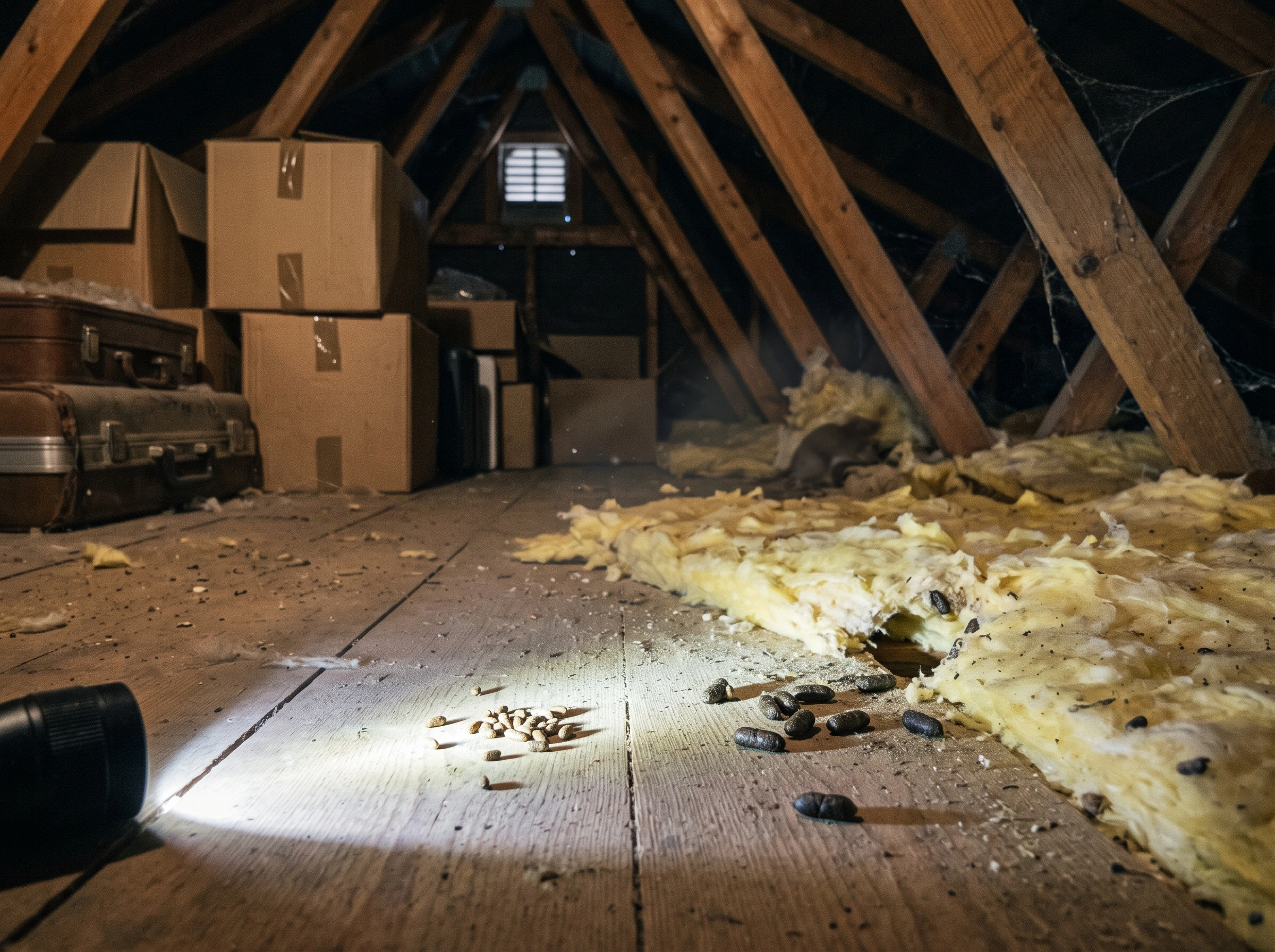
January often feels like a reprieve after the festive season, and for pests, it’s generally a quieter month too. Colder temperatures mean most outdoor insects are dormant or in hibernation. However, this is when indoor pests, particularly rodents, can be at their most troublesome.
- Key Pests: Rodents (Mice and Rats) are desperately seeking warmth and food indoors, making your home an attractive sanctuary. You might also notice an increase in Cockroaches in heated areas, as well as Stored Product Insects (like biscuit beetles or flour weevils) in your pantry if conditions are right.
- What to do: Seal any entry points, keep food stored securely, and be vigilant for signs of rodent activity. Maintain good hygiene to deter indoor pests.
February: Still Chilly, Still Seeking Shelter
February continues the trend from January, with outdoor activity remaining low. Rodents are still a primary concern, and you might start to see a slight uptick in some overwintering pests stirring.
- Key Pests: Rodents remain top of the list. You might also find Cluster Flies or Ladybirds appearing indoors, roused from their overwintering spots by slightly warmer days or internal heating.
- What to do: Continue sealing gaps, managing food waste, and monitoring for any signs of pest ingress.
March: The First Stirrings of Spring
As temperatures begin to rise, March marks the beginning of increased activity. Many insects start to emerge from hibernation or pupation.
- Key Pests: Ants may start to become noticeable as they forage for food to support their emerging colonies. Wasps and Bees queens will begin to emerge from hibernation to look for nesting sites. Mice and Rats are still active, breeding as temperatures allow.
- What to do: Be mindful of ant trails, ensure bins are sealed, and check your property for potential wasp or bee nesting spots, particularly in lofts or sheds.
April: Spring into Action
April brings warmer weather and more significant pest activity. It’s a busy month for a variety of insects.
- Key Pests: Ants will be very active. Fleas can become a problem, especially if pets are not regularly treated, as warmer weather encourages their lifecycle. Moths (clothes moths and pantry moths) may also become more apparent. Wasps and Bees continue their nest building.
- What to do: Regular pet treatments for fleas are crucial. Store woollen items in sealed bags and clean out food cupboards to prevent moths.
May: The Buzz of Summer Approaching
May sees a further increase in temperatures and, consequently, pest populations. Many outdoor pests are now fully active.
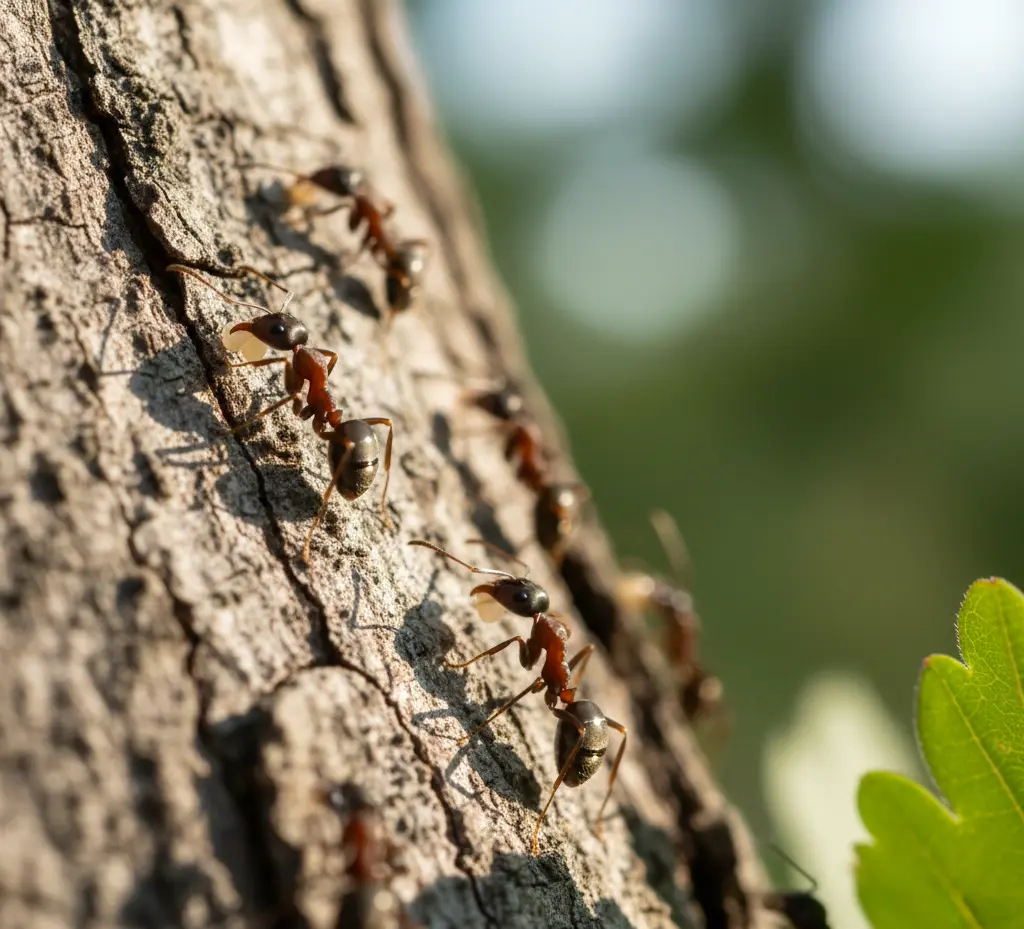
- Key Pests: Ants are at their peak. Aphids will be multiplying rapidly on garden plants, which in turn attracts Ladybirds and Earwigs. Cockroaches may become more mobile and visible. Textile pests, such as carpet beetles and clothes moths, continue to be a concern.
- What to do: Address ant issues promptly. Inspect fabrics and carpets for signs of infestation. Consider natural remedies for aphids in the garden.
June: Peak Outdoor Activity
June is often the height of outdoor pest season. Warm, often humid, conditions provide ideal breeding grounds.
- Key Pests: Wasps nests are growing, and workers will be out foraging. Mosquitoes will be breeding in standing water. Flies of all types are abundant. Cluster Flies and Bluebottles may become particularly bothersome. Ants are still prevalent.
- What to do: Eliminate standing water to reduce mosquito breeding sites. Keep doors and windows screened. Be cautious around wasp nests and consider professional removal if they are near your home.
July: The Height of Summer Pests
The warmest month of the year often brings the most diverse range of pest problems.
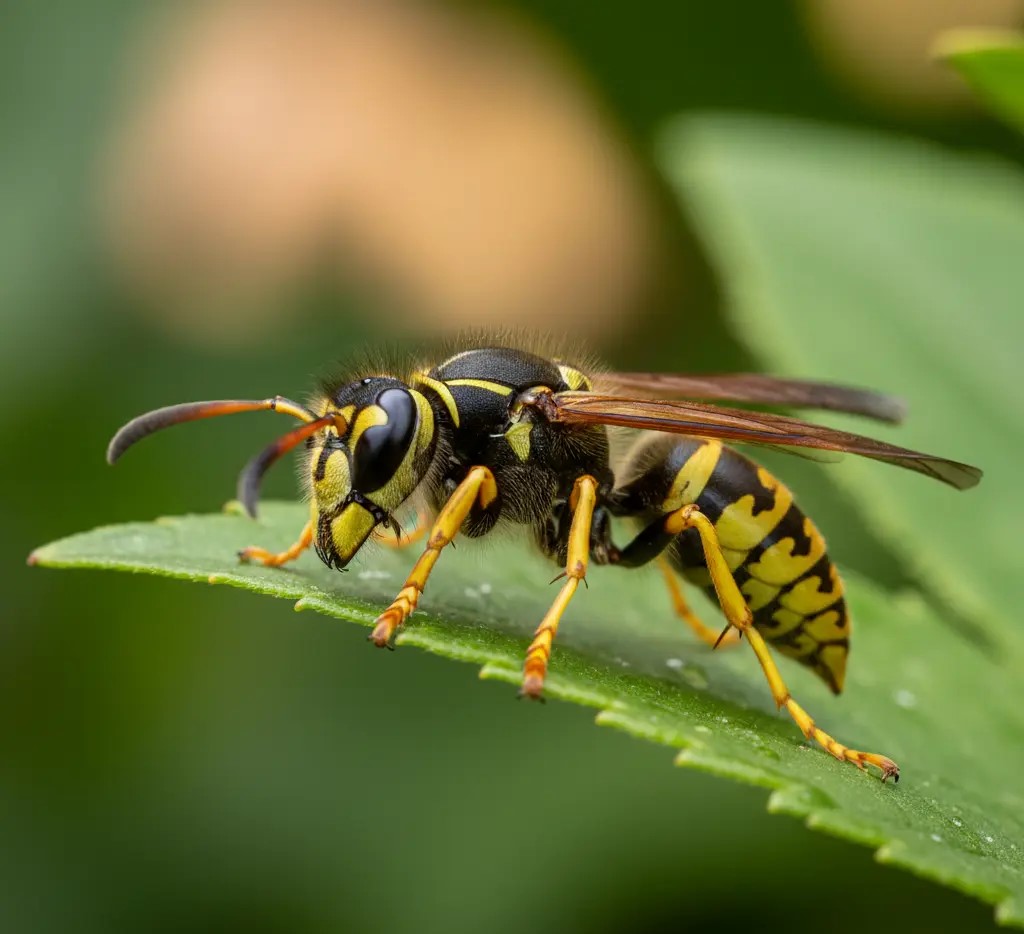
- Key Pests: Wasps are at their most aggressive, especially late in the month as their food sources change. Ants continue to be a nuisance. Mosquitoes are still very active. Fleas can also peak.
- What to do: Be extra vigilant around food and drinks outdoors. Maintain strict hygiene indoors.
August: The End-of-Summer Rush
As summer draws to a close, some pests become more desperate for food and shelter, while others are still in full swing.
- Key Pests: Wasps are particularly irritable and aggressive now, searching for sugary foods. Flies are still abundant. Fruit Flies may appear in kitchens as fruit ripens. Spiders may become more noticeable indoors as they seek mates and prepare for cooler weather.
- What to do: Ripen fruit in the fridge. Seal any cracks or gaps that spiders might use to enter your home.
September: The Autumnal Migration Indoors
With cooler temperatures arriving, pests that have been active outdoors throughout summer will start looking for warmer, more sheltered places to spend the colder months – often your home!
- Key Pests: Rodents (Mice and Rats) begin their push indoors again. Cluster Flies, Ladybirds, and Box Elder Bugs will seek shelter, often in lofts and wall cavities. Spiders are much more noticeable indoors.
- What to do: This is a crucial time for pest-proofing! Seal all potential entry points, clear away garden debris near your home, and ensure proper drainage.
October: Seeking Winter Sanctuary
October is very similar to September, with the focus remaining on pests trying to gain entry to your property for winter.
- Key Pests: Rodents are still a major concern. Overwintering insects like Cluster Flies and Ladybirds continue their search for warmth. You might also start to see Cockroaches more frequently as they are driven further indoors by the cold.
- What to do: Maintain your pest-proofing efforts. Keep an eye out for any signs of rodent activity, such as droppings or gnaw marks.
November: The Chill Sets In
As the days grow shorter and much colder, outdoor pest activity significantly decreases. The focus shifts almost entirely to indoor pests.
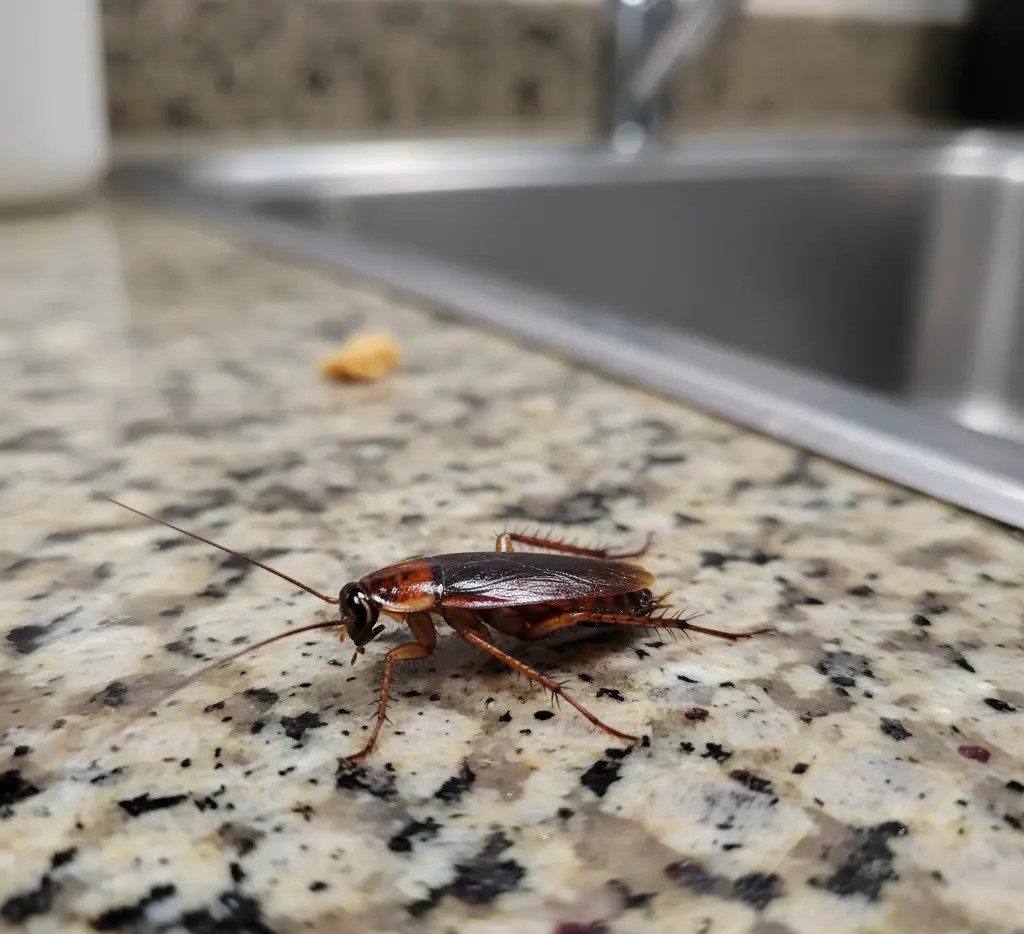
- Key Pests: Rodents will be firmly established indoors if they’ve found a way in. Cockroaches and Stored Product Insects remain active indoors, particularly in heated areas.
- What to do: Continue rigorous food storage and hygiene practices. Address any lingering rodent issues promptly.
December: Winter’s Grip
December is generally the quietest month for pest activity, but pests that are active can be particularly problematic because they are inside your living space.
- Key Pests: Rodents are the primary culprits, actively foraging for food and seeking warmth. Stored Product Insects can continue to thrive in pantries.
- What to do: Focus on maintaining a clean home, securing food, and addressing any active rodent infestations.
Proactive Pest Management: Your Best Defence
Understanding this seasonal calendar is your first step towards effective pest control. By knowing what to expect, you can take proactive measures:
- Seal Entry Points: Regularly inspect your home for cracks, gaps, and openings, especially in autumn, and seal them up.
- Maintain Good Hygiene: Store food in airtight containers, clean up spills immediately, and ensure bins are sealed and emptied regularly.
- Manage Outdoor Areas: Keep your garden tidy, clear away debris, and ensure proper drainage to eliminate breeding grounds.
- Regular Inspections: Periodically check areas like lofts, basements, and sheds for signs of pest activity.
- Professional Help: If you suspect a serious infestation or prefer not to tackle it yourself, don’t hesitate to contact a professional pest control service. They have the expertise and tools to deal with any pest problem effectively and safely.
By being informed and proactive, you can significantly reduce the chances of pests becoming unwelcome guests in your home, no matter the season!
Contact Willis Pest Control
At Willis Pest Control, we provide expert pest control solutions across Birmingham and the Midlands. For help dealing with pests, please do not hesitate to contact our expert Willis Pest Control team; call us at 0121 588 5258 or 07305 518033.